
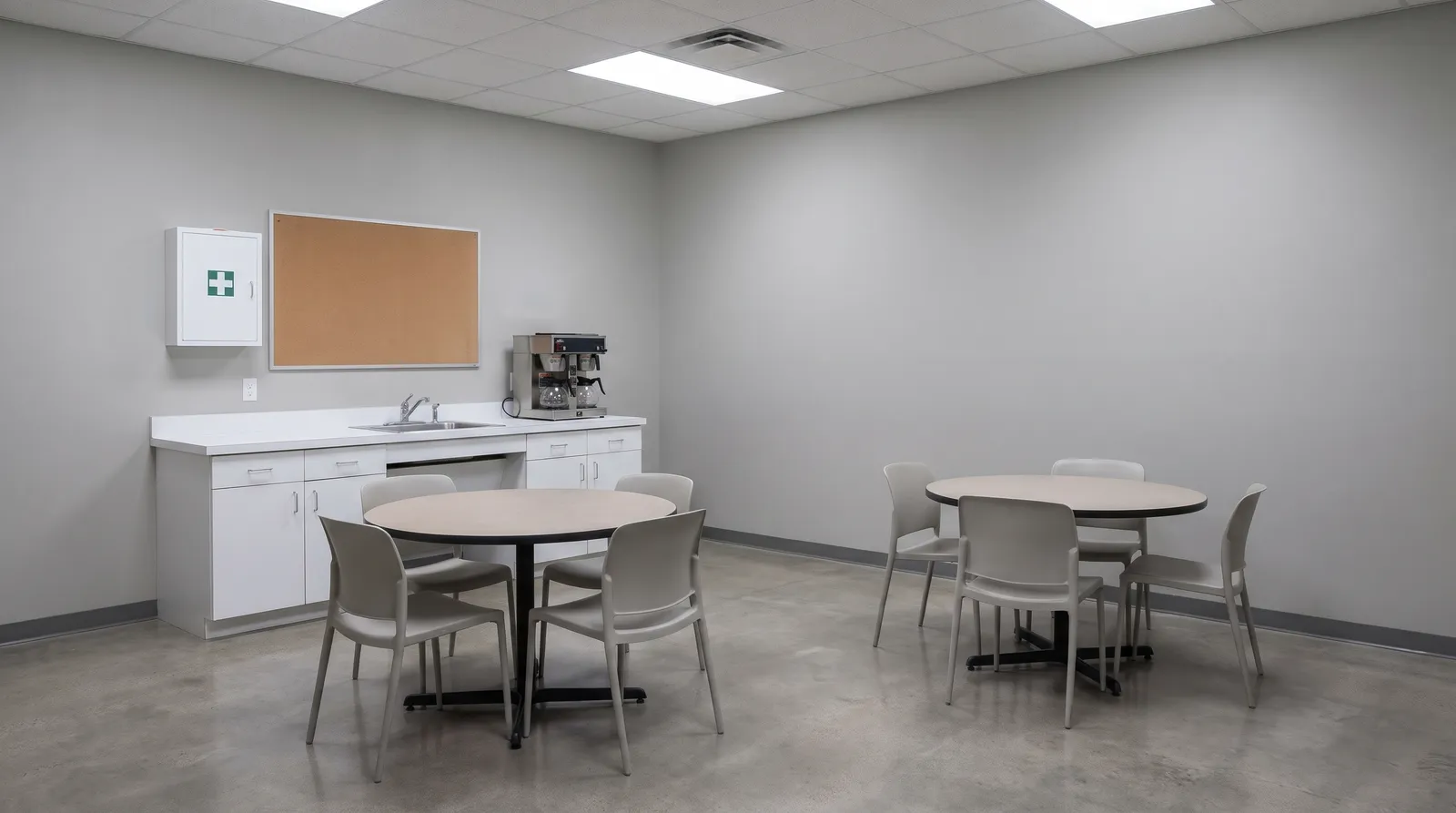
The building is part of the employee experience. People notice the restroom that is out of order for a week, the parking lot light that stays dark, the break room sink that drips and the office that never feels right. In an organization without a facilities role, those concerns route to HR, along with the vendor who needs access and the insurance certificate nobody can find. Fractional facilities management gives the building an owner, so HR gets back to people work.
This guide is written for HR leaders, people-operations managers and anyone in HR who has become the default owner of the building. The playbook for any role is in How to Make the Case for Fractional Facilities Management to Your Leadership.
Where the building reaches your desk
HR is where concerns go when nobody else owns them. That is a sign of trust in the function. It also means the building's problems arrive as people problems, after they have already affected someone's day.
Where the building touches HR
Without an owner
With a fractional layer
Employee experience
Without an ownerRestroom, lighting, comfort and break room complaints reach HR
With a fractional layerA request goes to one place, gets scheduled and closes with a photo
People on site
Without an ownerVendors work alongside employees, credentials checked case by case
With a fractional layerNetwork vendors meet one published standard; certificates are tracked
Workplace conditions
Without an ownerWalkways, lighting and common areas are noticed when someone complains
With a fractional layerObservable conditions are walked, photographed and recorded by location
Continuity
Without an ownerFacility knowledge sits with whoever has been handling it
With a fractional layerA condition record the organization owns, whoever comes and goes
What changes for HR
Facility complaints stop routing to HR.
Restroom, lighting, comfort and break room issues go to one intake, get scheduled and close with a photo. HR hears about the building when a decision needs HR.
Every vendor on site meets a standard.
Vendors in the Proportional FM network apply against published requirements that include licensing, insurance, work authorization, background checks and drug testing. Vendors you keep stay under your contracts, with certificates tracked.
Workplace conditions are documented.
Walkways, lighting, restrooms and common areas are walked and photographed, so when a concern comes up there is a dated record of observable condition.
Your time goes back to people work.
Recruiting, onboarding, benefits, retention and the conversations only HR can have.
Say it in leadership's terms
Leadership listens to HR on risk, retention and continuity. The building belongs in that conversation once it is framed as a structure gap instead of a list of complaints.
How leadership hears it from HR
What it feels like
What leadership hears
What it feels likeEvery building complaint ends up with me.
What leadership hearsEmployee-facing facility issues have no owner, so they route to HR.
What it feels likeI do not know who the plumber is sending today.
What leadership hearsVendor credentials are checked case by case instead of against a standard.
What it feels likeThe same restroom issue keeps coming back.
What leadership hearsRepairs are closed without verification, so problems repeat.
What it feels likeWhen someone leaves, the building knowledge leaves too.
What leadership hearsFacility knowledge lives with individuals instead of a record the organization owns.
None of the right-hand column asks HR to become the facilities department. It asks leadership to give the building an owner. We have also written about why staff were not hired to walk the building, which is the same pattern seen from the operator's side.
Bring one first step
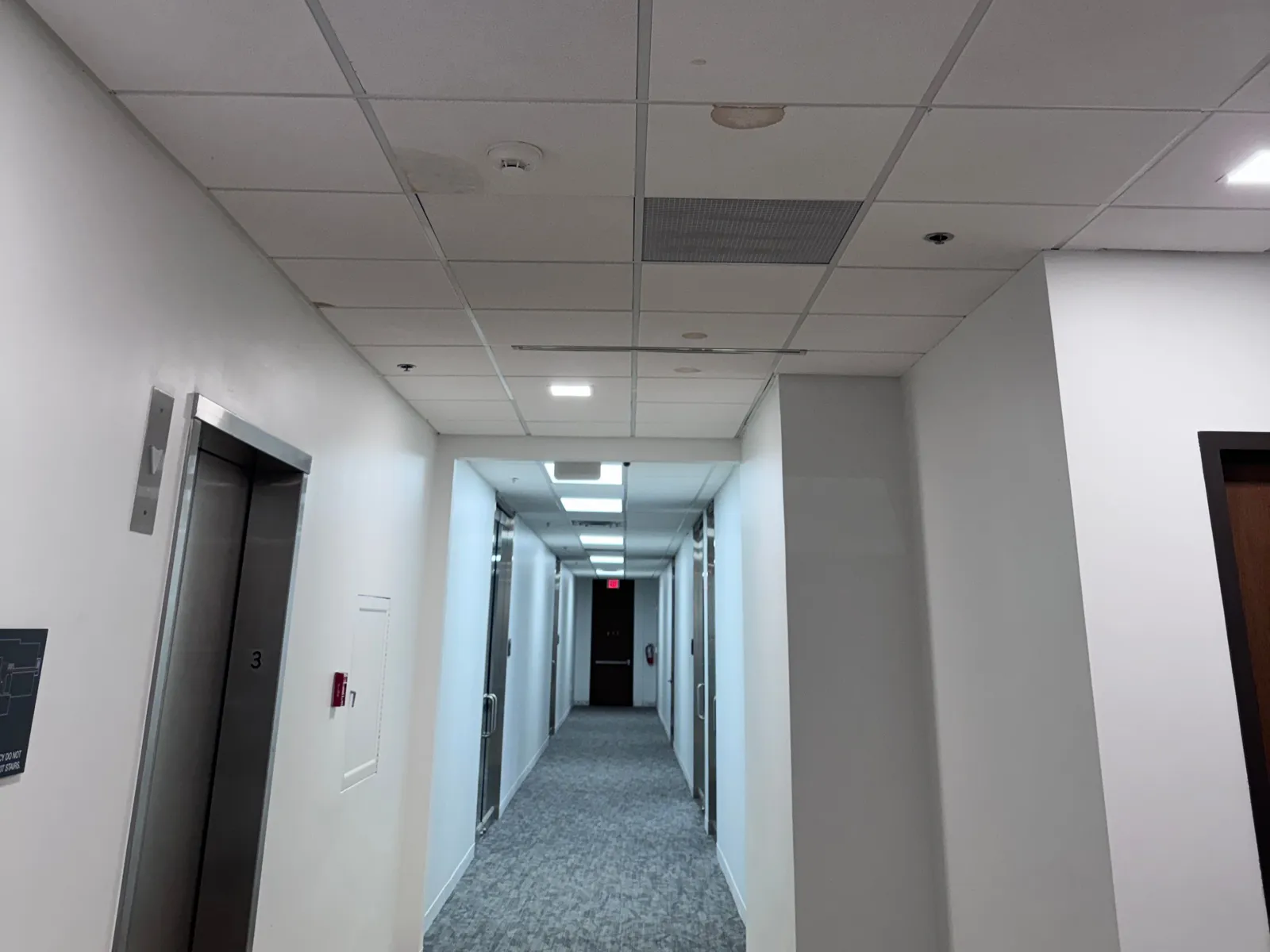
Ask for one Facility Condition Assessment. It walks restrooms, common areas, walkways, lighting, doors and the building systems that are visible, and records each observation with photos and its location. Findings are sorted into critical issues that need immediate action and issues observed that call for planned maintenance. For HR, it is also a dated record of observable workplace conditions. It is not a safety audit or legal advice, and it does not need to be: it gives leadership a document to act on.
Any ongoing scope comes from the findings, and pricing is confirmed in writing in the engagement proposal. If leadership wants to see the format first, send the sample report.
Questions your leadership will ask
Why is HR raising a facilities issue?
Because the building is where employees spend their day, and its problems are reaching HR. A fractional layer gives them a better place to go.
Does this replace anyone?
No. It gives the building an owner that it does not have today. Nobody's role is removed; several get lighter.
Who is responsible for the vendors?
Network vendors meet a published standard. Vendors we keep stay under our contracts, with certificates tracked and work checked against the scope.
What does it cost?
It is scoped to the actual workload and confirmed in a written proposal. The first step is a single assessment, so we see the building before committing to anything ongoing.
A sequence that works
- Step oneCount the building in your inbox. Four weeks of facility complaints, vendor questions and requests that reached HR.
- Step twoWrite one page. What the building costs in employee experience, vendor standards and continuity.
- Step threeAsk for one assessment. A documented baseline before any ongoing commitment.
- Step fourRoute the building to its owner. Requests, vendors and the condition record move to the fractional layer; HR stays informed.
HR protects the people. The building deserves its own owner, so those two jobs stop competing for the same hours.