
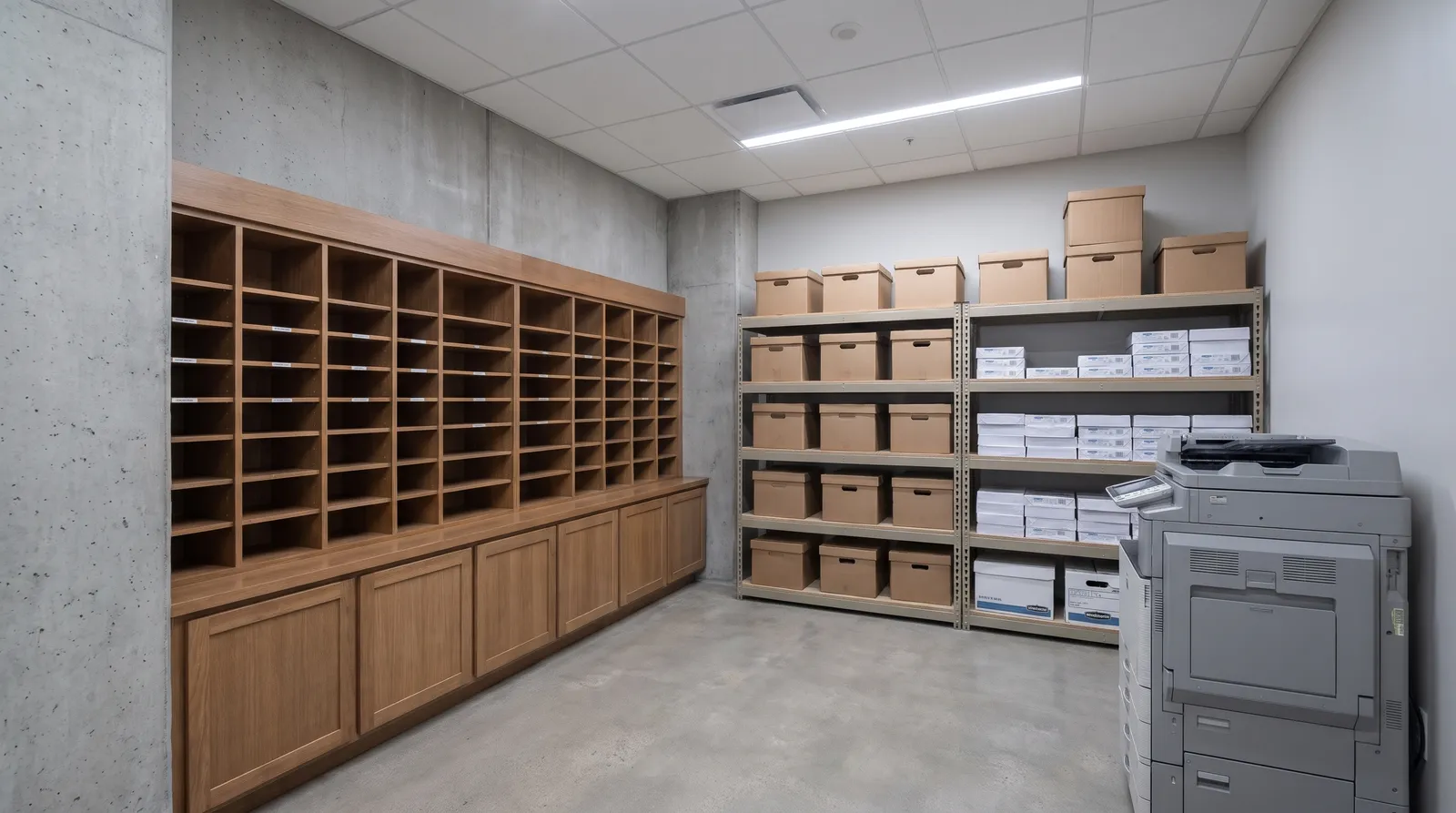
You run the office. The people, the supplies, the schedules, the executive's calendar and the hundred small things that make a workplace work. Somewhere along the way you also became the building's phone number. Making the case for fractional facilities management is not admitting you cannot keep up. It is asking leadership to give the building an owner, so the office gets your full attention again.
This guide is written for office managers. It covers what changes for you, how leadership hears the request from your seat and the first step to bring. The playbook for any role is in How to Make the Case for Fractional Facilities Management to Your Leadership.
Two jobs on one desk
The facility work did not arrive all at once. A vendor needed someone to open a door. A running toilet needed someone to call. An insurance renewal asked for a certificate nobody could find. You handled each one because you are the person who handles things. Together they became a second job, one that needs a flashlight and work clothes more than a headset and a calendar.
Sort your desk
Keep
- The people and the culture of the office
- Staff support and onboarding
- Supplies, schedules and events
- Executive support
Hand over
- Restroom, plumbing and ceiling checks
- Vendor scheduling and follow-up
- Invoice review against the scope
- Certificate of insurance tracking
- Repair request triage
Decide together
- Which vendor relationships you keep
- Priorities and the facility budget
- What gets reported to leadership
What changes for you
Your days go back to the people.
The team, the new hire's first week, the client visit and the executive's calendar get your full attention again, during business hours instead of around them.
You stop being the building's phone number.
Repair requests and vendor calls route to the fractional layer. You hear about the building when a decision needs you, not every time a toilet runs.
You keep what you built.
The vendor relationships you value stay yours. You decide what to hand over and what to keep.
You bring leadership a record.
When someone asks what the building needs, there is a written condition report with photos to point to, and you are the person who brought it in.
Say it in leadership's terms
Leadership is not resisting help. It is weighing an unscoped request against a budget that already exists. The same strain reads very differently once it names a structure gap instead of a feeling.
How leadership hears it from your seat
What it feels like
What leadership hears
What it feels likeI spend my mornings chasing vendors.
What leadership hearsFacility coordination is taking business hours from the work the role was hired for.
What it feels likeI approve invoices I cannot really check.
What leadership hearsFacility spend is approved without a written scope to check it against.
What it feels likeI do not know what is under the sinks or above the ceiling.
What leadership hearsNo one is assigned to walk the building, so small leaks are found late.
What it feels likeIf I am out, nobody knows who to call.
What leadership hearsFacility knowledge lives with one person and leaves with them.
Every line on the right is a gap leadership can close. None of it is about your effort. If leadership wants the bigger picture, Office Manager and Fractional Facilities Manager: Two Roles, Two Different Jobs is the page to share.
Bring one first step
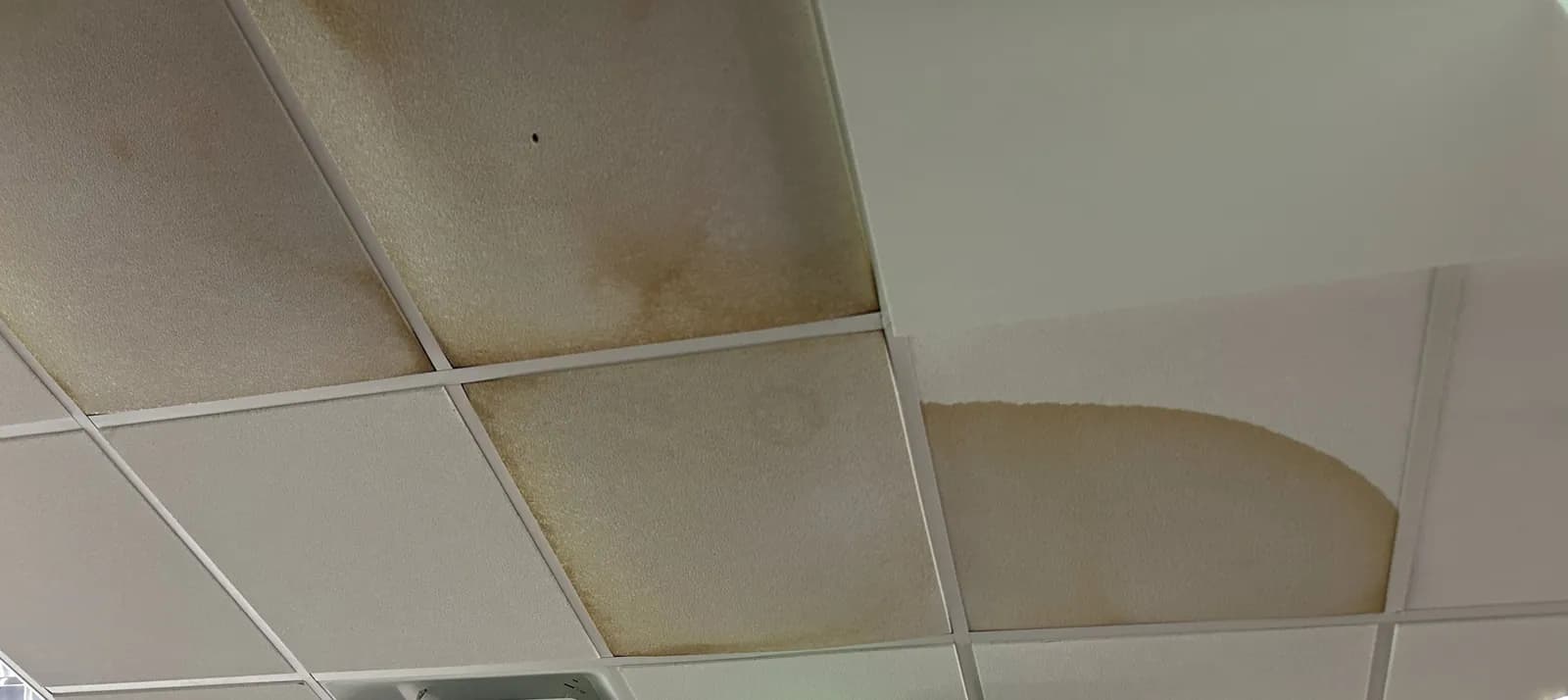
Ask for one Facility Condition Assessment. It walks the building, including restroom fixtures, supply lines and accessible drains, ceilings, doors and lighting, and records each observation with photos and its location. Findings are sorted into critical issues that need immediate action and issues observed that call for planned maintenance. Leadership reads the building in writing before deciding anything else, and you were not the one on the floor under the sink finding it.
Any ongoing scope comes from the findings, and pricing is confirmed in writing in the engagement proposal. If leadership wants to see the format first, send the sample report.
Questions your leadership will ask
Is this a workload problem?
It is a structure problem. The facility work is a different job, done in different clothes, on a different schedule. It landed on my desk because nobody else had it.
Does this replace anyone?
No. The people, the office and the executive support stay with me. The fractional layer carries the building.
What happens to our vendors?
The ones we value stay. Their scope and invoices get checked against the work.
What does it cost?
It is scoped to the actual workload and confirmed in a written proposal. The first step is a single assessment, so we see the building before committing to anything ongoing.
A sequence that works
- Step oneKeep a four-week list. Every facility task you touch, how often it happens and what it pulled you away from.
- Step twoWrite one page. The list, what it displaces and the risk in leadership's terms.
- Step threeAsk for one assessment. A documented baseline before any ongoing commitment.
- Step fourSort your desk. Decide what you keep and what the fractional layer carries.
The strongest version of this conversation protects the role you were hired for. You are not handing off your job. You are handing off a second one that was never written down.