
Your job is to protect an executive's time and make their decisions easier. In a smaller organization, the building finds its way onto your desk anyway: the leak in the conference room the morning of the board meeting, the vendor quote forwarded for approval with nothing to check it against, the question about what the building will need next year. Fractional facilities management takes the building off your desk and hands your executive decisions instead of interruptions.
This guide is written for executive assistants and chiefs of staff in organizations without a facilities role. The playbook for any role is in How to Make the Case for Fractional Facilities Management to Your Leadership.
The building is already on the calendar
The building takes executive time whether anyone plans for it or not. The question is whether it arrives as a surprise or as a decision that has already been framed, photographed and priced.
What reaches the executive
Today
- Building problems as interruptions
- Quotes forwarded with nothing to check them against
- “What does the building need?” with no document to answer from
- You as the go-between with every vendor
With a fractional layer
- Decisions, with photos and a priority
- Quotes checked against a written scope
- A written condition report with planning ranges
- Vendors coordinated for you, with you informed
What changes for you
The calendar stops absorbing the building.
Facility issues are handled before they become a meeting, and the ones that need a decision arrive with photos and options.
Approvals arrive decision-ready.
A quote comes with the scope it was checked against, so a yes takes a minute instead of a round of phone calls.
You can answer “what does the building need?”
From a written condition report, with findings prioritized and planning ranges attached.
You stay the strategic partner.
Your time goes to the executive's priorities, not to being the building's phone number.
Say it in your executive's terms
Executives weigh requests by what they return. Framed around their time and the quality of their decisions, the building is an easy yes.
How your executive hears it
What it feels like
What the executive hears
What it feels likeI am the go-between for every vendor.
What the executive hearsFacility coordination runs through the executive's office.
What it feels likeThe building keeps landing on the calendar.
What the executive hearsFacility problems reach leadership as interruptions instead of planned decisions.
What it feels likeI cannot tell if this quote is reasonable.
What the executive hearsFacility spend is approved without a written scope to check it against.
What it feels likeWhen the executive asks about next year, I have nothing to show.
What the executive hearsThere is no condition record to plan capital against.
The right-hand column is the conversation. It is about the executive's time and the organization's visibility into its own building, not about your workload.
Bring one first step
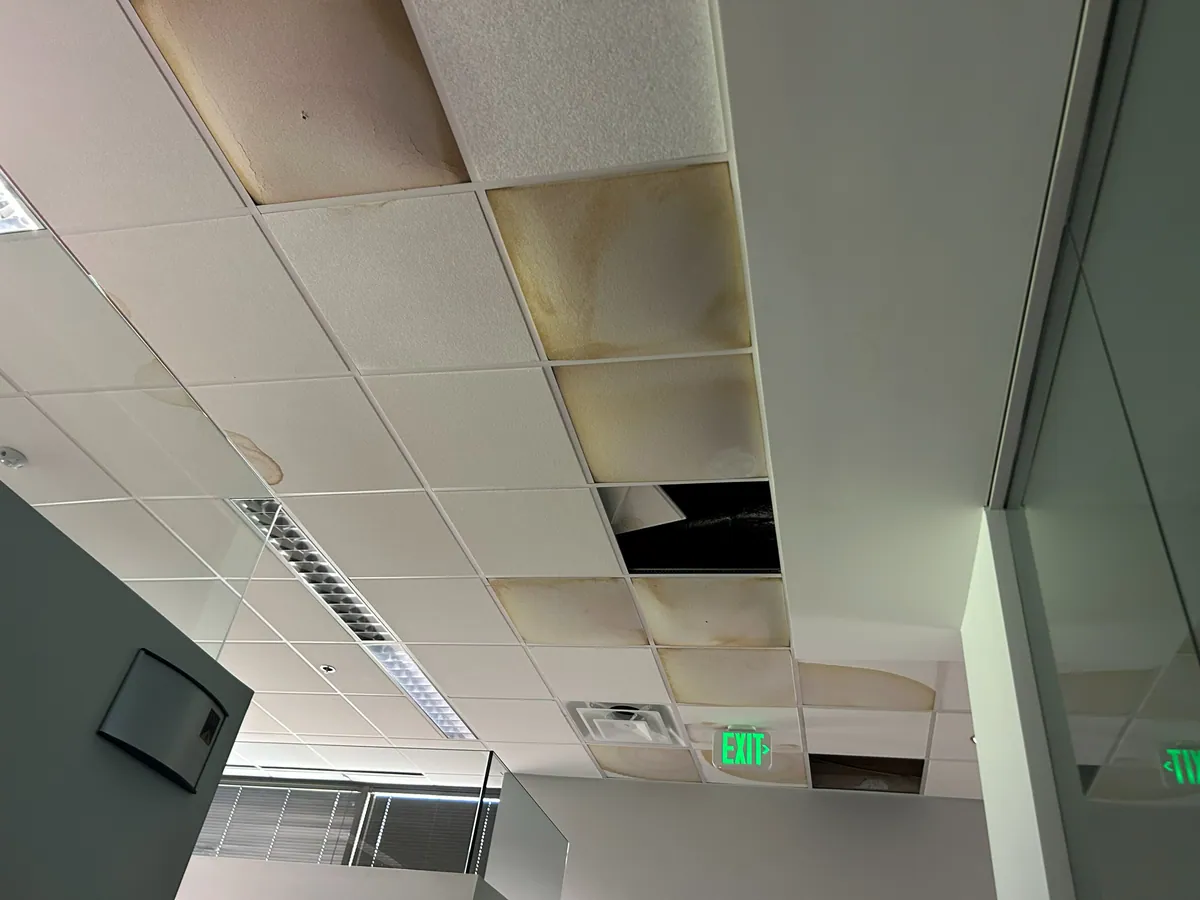
Ask for one Facility Condition Assessment. It walks the building, records each observation with photos and its location and sorts findings into critical issues that need immediate action and issues observed that call for planned maintenance, with planning cost ranges and recommended action windows. For an executive, it is the building summarized on paper: what needs attention now, what can be planned and roughly what it will take. The ranges are planning estimates, not quotes.
Any ongoing scope comes from the findings, and pricing is confirmed in writing in the engagement proposal. If your executive wants to see the format first, send the sample report.
Questions your executive will ask
Isn't this something you can handle?
I can coordinate it. I cannot walk the building, check scope against the work or build a condition record, and trying pulls time from your priorities.
Does this replace anyone?
No. It gives the building an owner it does not have today, and it takes the go-between work off my desk.
What will I see?
Fewer interruptions, decisions that arrive with photos and options, and a written condition report you can plan against.
What does it cost?
It is scoped to the actual workload and confirmed in a written proposal. The first step is a single assessment, so you see the building before committing to anything ongoing.
A sequence that works
- Step oneTrack what reaches the executive. Four weeks of facility interruptions, approvals and questions.
- Step twoWrite one page. What the building takes from the executive's time, in their terms.
- Step threeAsk for one assessment. A documented baseline before any ongoing commitment.
- Step fourSet the rules of escalation. What the fractional layer handles, what comes to you and what reaches the executive.
You already protect the executive's time from everything else. The building is one more thing that deserves an owner, so it reaches the executive only when it should.