
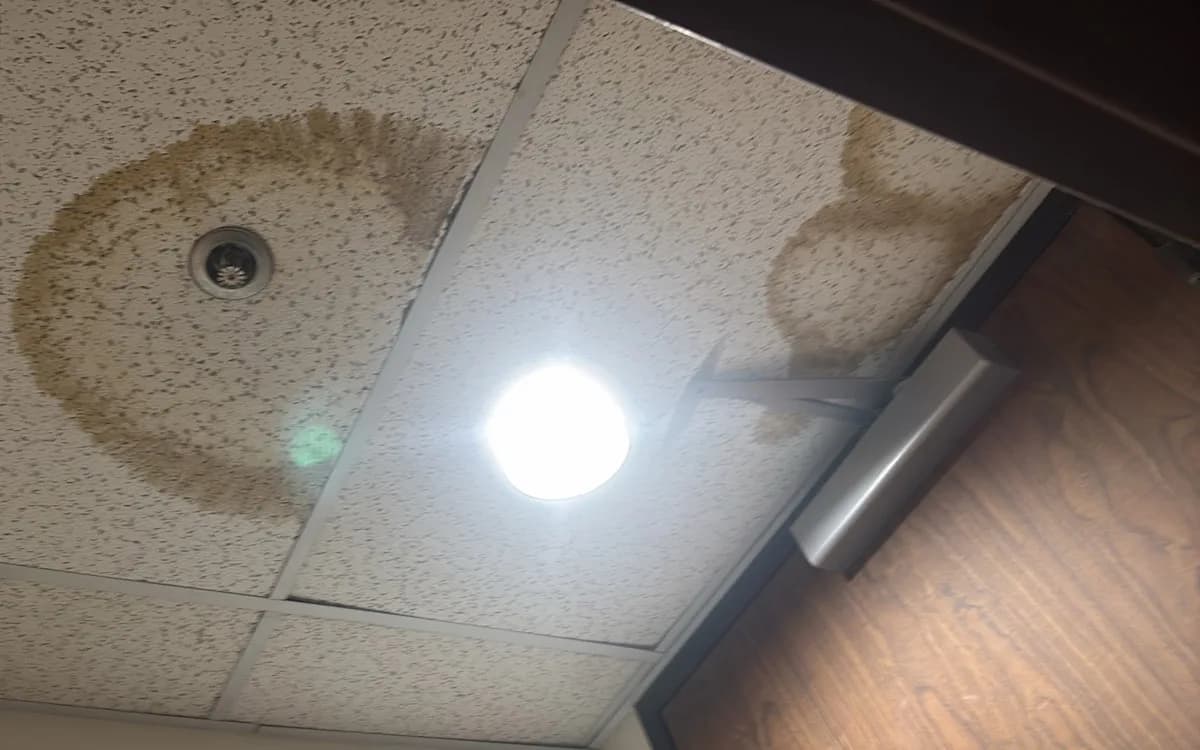
A facility condition assessment is a photograph of a building on one date. The day it is delivered it is the most accurate record of the property ownership has. A year later it is still useful, but less so every month, and the question becomes practical: should the report be refreshed, or should someone walk the building again?
Those are two different things, and they answer different questions. Knowing which one you are buying is most of the decision.
What a refresh is
A refresh starts from the original findings and brings their status up to date from the work record. Items that were repaired are closed, ideally with an after photograph. Items that were deferred are marked as deferred and why. Items still open stay open, and their priority is revisited, because a finding that was minor a year ago may not be minor now. The report is then reissued with a new issue date.
The one thing a refresh does not do is look at the building again. Every observation in it is still from the original walk. That is why a refreshed report states the original walk date plainly, near the top, so any reader can tell which facts are current and which are a year old. A refresh presented as a new assessment would be a misleading document, however well intended.
What a refresh cannot tell you
- Anything that developed after the walk: a new leak, new cracking, wear in a space that was fine a year ago.
- Whether a closed item stayed fixed, unless someone documented it after the repair.
- The condition of anything that was not accessible on the original walk.
For a stable building with an active work record, those gaps are small. For a building that has seen weather, turnover, or neglect since the walk, they are the whole point.
When a refresh is enough
- The walk was within about a year and nothing significant has happened to the building since.
- The original list is still being worked, so a new walk would mostly re-document known items.
- There is a reliable record of the work done since, with dates and photographs.
- The audience needs an updated status, such as an owner update or a budget cycle, rather than a fresh look at condition.
When it is time to walk the building again
- Most of the original findings are closed. The list has done its job, and the next useful information is what is new.
- Something happened to the building. A severe storm, a hard freeze, a leak, a renovation, a tenant turnover, or a change in how the space is used.
- A decision rests on current condition. A sale, a lease, a capital plan, or a property tax protest needs observations from now, not from last year.
- Too much time has passed. The longer the gap, the more a refresh becomes a status report on an old picture.
An annual cadence can be met either way
Owners who want a current document every year do not need a new walk every year. A building whose list is being worked can alternate: walk, refresh, walk. A building that changes quickly, or one with a long open list and no work record, is better served by walking it again. The cadence is a promise to keep the record current. How it is kept current is a per-building choice, made honestly on the cover of the report.
For multi-site portfolios, the same logic applies building by building. Our article on setting a reassessment cadence across several campuses walks through it for childcare operators.
How Proportional FM handles it
Proportional FM reports live online, so the record does not freeze on delivery. As work is completed, items are closed with photographs, and a refreshed report can be issued at any point with the original walk date stated on it. When the list has been substantially worked, or the building has changed, we recommend a new walk instead. Either way, the choice is made with you before anything is scheduled. More on the assessment itself is on our Facility Condition Assessments page and in what to expect during your first assessment.