A general maintenance visit in a commercial building covers a lot of ground: doors that stick or will not latch, loose hardware, fixture repairs, patching and touch-up, ceiling tiles, shelving, and the long tail of small items a busy building produces. Owners value that range because it means one visit clears a list that would otherwise need five vendors.
The range has an edge. Past it, the work moves from fixtures and finishes into the systems behind them, and those systems belong to licensed trades. Knowing where the edge sits, and handing problems across it cleanly, is part of what makes a maintenance program trustworthy.
A note on scope: this is general guidance, not a legal or code opinion. Which tasks require a license is set by state law and local code. The licensed contractor and the local authority are the right people to ask about a specific task.
Two reasons to hand a problem off
Licensing. Electrical, plumbing, and mechanical work in a commercial building belongs to the trades licensed for it. When a problem lives inside one of those systems, it goes to that trade.
Economics.Some problems sit within reach of a maintenance visit but are still better handed off. If finding the cause of a dead circuit would take a full day of trial and error, a licensed electrician who does that work daily will usually find it faster, and the scheduled maintenance hours stay on the list they were bought for. Handing off is not only about what a technician is allowed to do. It is also about what the owner's hours are best spent on.
Signs a problem belongs to a licensed trade
- Electrical. A breaker that keeps tripping, an outlet that is dead with no obvious cause, a warm or discolored outlet or switch plate, a burning smell, or anything inside a panel.
- Plumbing. A leak inside a wall or under a slab, low pressure across the building, water heater problems, recurring backups, or sewer odor.
- Heating and cooling. Any performance problem, a unit discharging water, refrigerant, or controls. These go to a licensed mechanical contractor.
- Fire and life safety. Alarm, sprinkler, and extinguisher service belong to licensed fire protection providers.
- Roofing and pest. Roof leaks and repairs go to a roofing contractor, and pest treatment to a licensed pest control provider.
- The same repair, again. When a fix keeps failing, the problem is usually upstream of the part being replaced. Our piece on when to stop repairing and start investigating covers that pattern.
What a good handoff looks like
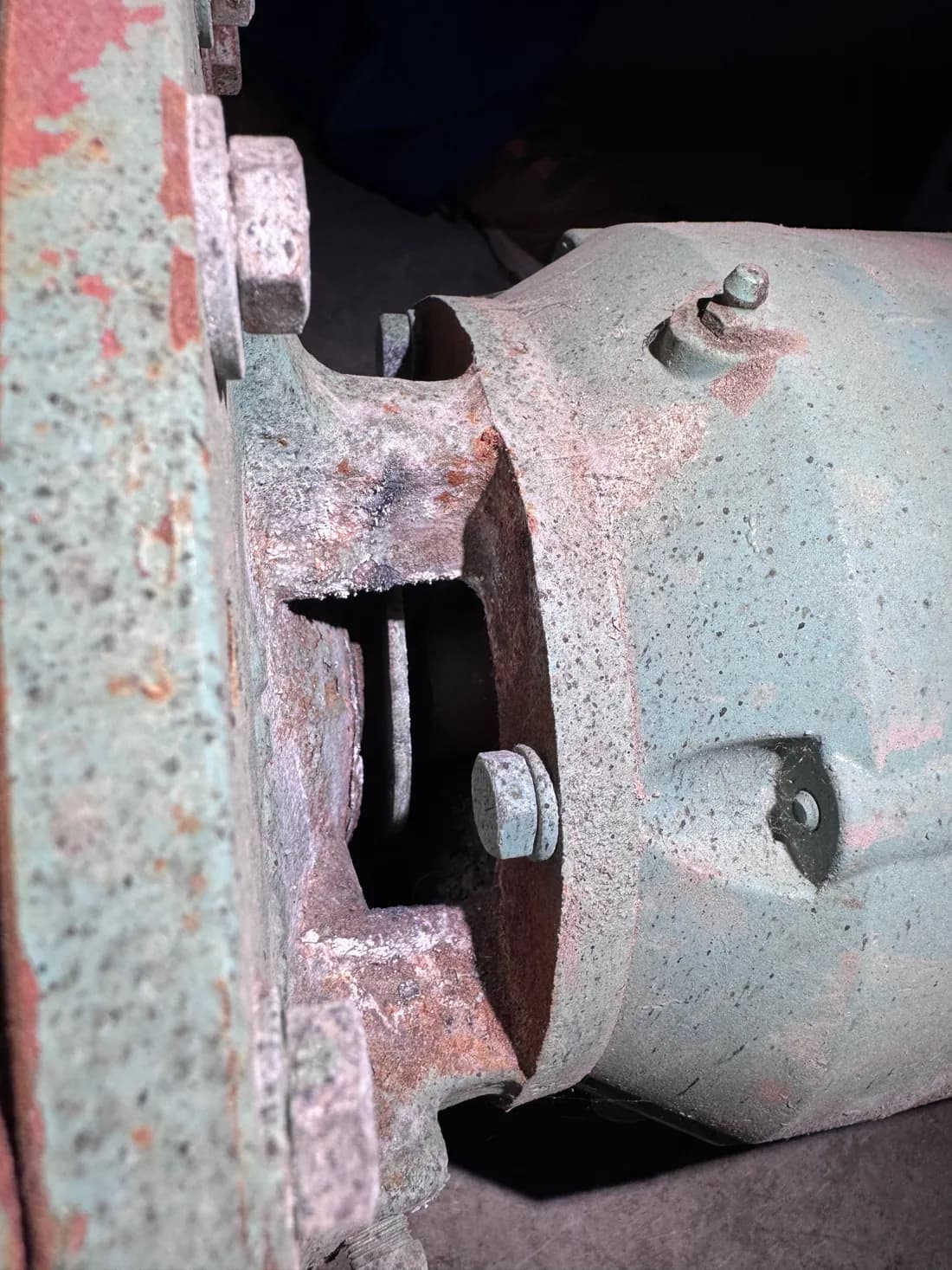
- Document what was seen. A photograph, the location, and a note on what was observed and anything already tried.
- Stop before making it worse. A visit that keeps working a problem past its edge can turn a simple trade call into a bigger one.
- Mark it referred. The item stays on the record as referred to a licensed trade, so nobody assumes it was handled.
- Leave the decision with ownership. Nothing is scheduled or quoted unless the owner asks. When they do, the trade is arranged and its price comes back separately.
- Close the loop in the same record. When the trade finishes, its work is documented against the original item, so the history stays in one place.
What stays with the maintenance visit
The edge is not a reason to send everything out. Door and hardware adjustments, fixture-level repairs, patching and paint touch-up, ceiling tile replacement, shelving, door sweeps, and sealing small gaps are the everyday work a maintenance program exists for. The goal is a clear line, not a short list.
How Proportional FM handles it
Scheduled Recurring General Maintenance covers general maintenance work. Licensed electrical, plumbing, and mechanical work, fire and life safety, roofing, and pest treatment go to licensed providers, arranged through vendor coordination and quoted separately when the owner asks. Referred items are marked on the visit record with what was seen, as described in what a maintenance visit should leave behind. For how this differs from a general contractor's role, see is Proportional FM a general contractor?